November 6, 2026
The presence of mature trees adds substantial ecological value, privacy, and visual appeal to any property. However, when health or structural integrity begins to falter, a landscape feature can become a safety hazard. Trees that develop internal structural defects, advanced fungal decay, or root instability pose threats to nearby homes, vehicles, and pedestrians. Recognizing early symptoms of decline allows property owners to address critical issues before sudden failures occur during seasonal storms. Maintaining outdoor safety requires vigilance, particularly when aging canopies display noticeable distress.
Responsible landscape care involves balancing canopy preservation with the practical reality that hazardous trees cannot always be retained safely. Property owners who partner with local tree services gain clarity on when a tree can be pruned or when total removal is necessary. By identifying indicators such as crown dieback, trunk cavities, and deep fractures, owners make sensible choices that protect personal safety and surrounding buildings. Regular care and proactive risk mitigation ensure that outdoor spaces remain attractive and secure.
Identify Weakness and Instability
Structural defects represent pressing dangers in mature trees because they undermine mechanical stability. Cracks that penetrate deep into the trunk or extend along primary branches indicate that wood fibers have separated under physical stress. V-shaped crotches with embedded bark create weak branch unions that easily split during high winds. As these internal splits expand, the tree loses the capacity to support its canopy weight, increasing the probability of limb collapse. Regular inspections uncover these structural issues before heavy boughs break away and damage property.
A sudden or worsening trunk lean is another clear indicator of imminent structural failure. While some specimens develop a natural tilt toward sunlight, an unnatural angle accompanied by soil mounding or root lifting signals foundation failure. Root damage from construction activity, soil erosion, or trenching compromises the anchoring root system that holds tall timber upright against strong gusts. In these vulnerable situations, local tree services can assess root plate movement and wood integrity to determine whether the tree poses too great a hazard to keep standing.
Recognize Decay and Infestation
Fungal pathogens and internal rot quietly hollow out tree trunks, leaving an exterior that conceals fragile core wood. Bracket fungi, mushrooms sprouting around the root flare, and soft wood along the trunk indicate active internal decay. When wood-decaying organisms consume lignin and cellulose, the structural backbone of the timber dissolves, rendering the tree vulnerable to sudden shearing forces. Without adequate solid heartwood, a moderate breeze can cause a decaying tree to snap unexpectedly near ground level.
Destructive insect infestations also accelerate wood degradation and cause rapid canopy decline. Wood-boring beetles and invasive pests bore into the vascular cambium, cutting off moisture flow while opening pathways for rot. Consulting local tree services allows property managers to identify pest activity and fungal spread before hidden structural deterioration compromises the safety of surrounding buildings. When pest damage leads to crown dieback, removal becomes the most prudent choice to eliminate fall hazards and stop pests from migrating into adjacent greenery.
Inspect Encroachment and Clearance
Trees that grow in tight quarters around residences or commercial buildings present serious physical clearance concerns. Tree dimensions heavily influence spatial planning and hazard prevention around houses. According to Lawn Love, arborists generally categorize specimens under 30 feet as small varieties, whereas specimens that grow to 60 feet or higher fall into the tall category. When large specimens overhang roofs, chimneys, or driveways, falling limbs inflict severe structural damage during storm events. Overgrown branches also trap moisture against building sidings, invite pests, and scour shingles as wind speeds increase.
Overhead utility lines introduce another major hazard that demands prompt attention and careful clearance management. When heavy tree limbs grow into proximity with electric lines, branches can trigger transformer fires, power interruptions, or electrical hazards throughout the neighborhood. Trained local tree services can trim back encroaching canopies or utilize crane equipment to lift hazardous boughs clear of delicate infrastructure. Careful management around utility corridors prevents power outages while keeping private property and public thoroughfares safe from fallen limbs.
Manage Weather and Storms
Severe seasonal weather places extraordinary mechanical strain on mature canopies, testing branch attachments and root systems. Strong gales, sudden wind shifts, and saturated soils can destabilize root plates, turning questionable trees into immediate hazards. Freezing rain, ice accumulation, and heavy winter snow load tree boughs with tremendous weight, snapping vulnerable branches that lack resilience. Trees weakened by hidden trunk rot or dead scaffold limbs are particularly prone to sudden failure during intense weather events.
Following severe storm events, damaged trees often hang precariously over roofs, driveways, and fences, creating dangerous working conditions for property owners. Attempting to clear broken timber without professional equipment poses grave physical dangers. Calling local tree services for storm damage cleanup ensures that downed timber, fractured boughs, and hazardous debris are safely dismantled and hauled away without causing further harm. Prompt response during weather emergencies clears access routes, stabilizes surrounding branches, and protects building occupants from secondary limb collapses.
Schedule Pruning and Removal
Strategic trimming serves as an essential method for improving structural stability and reducing aerodynamic wind resistance in overgrown trees. Pruning out deadwood, thinning overly dense crowns, and removing crossed limbs alleviates weight on weak crotches while allowing airflow to move freely through the canopy. Routine maintenance arranged with dependable local tree services keeps mature canopies balanced and removes brittle boughs before high winds tear them loose. When performed regularly, targeted branch removal preserves tree vitality while minimizing hazards to adjacent property.
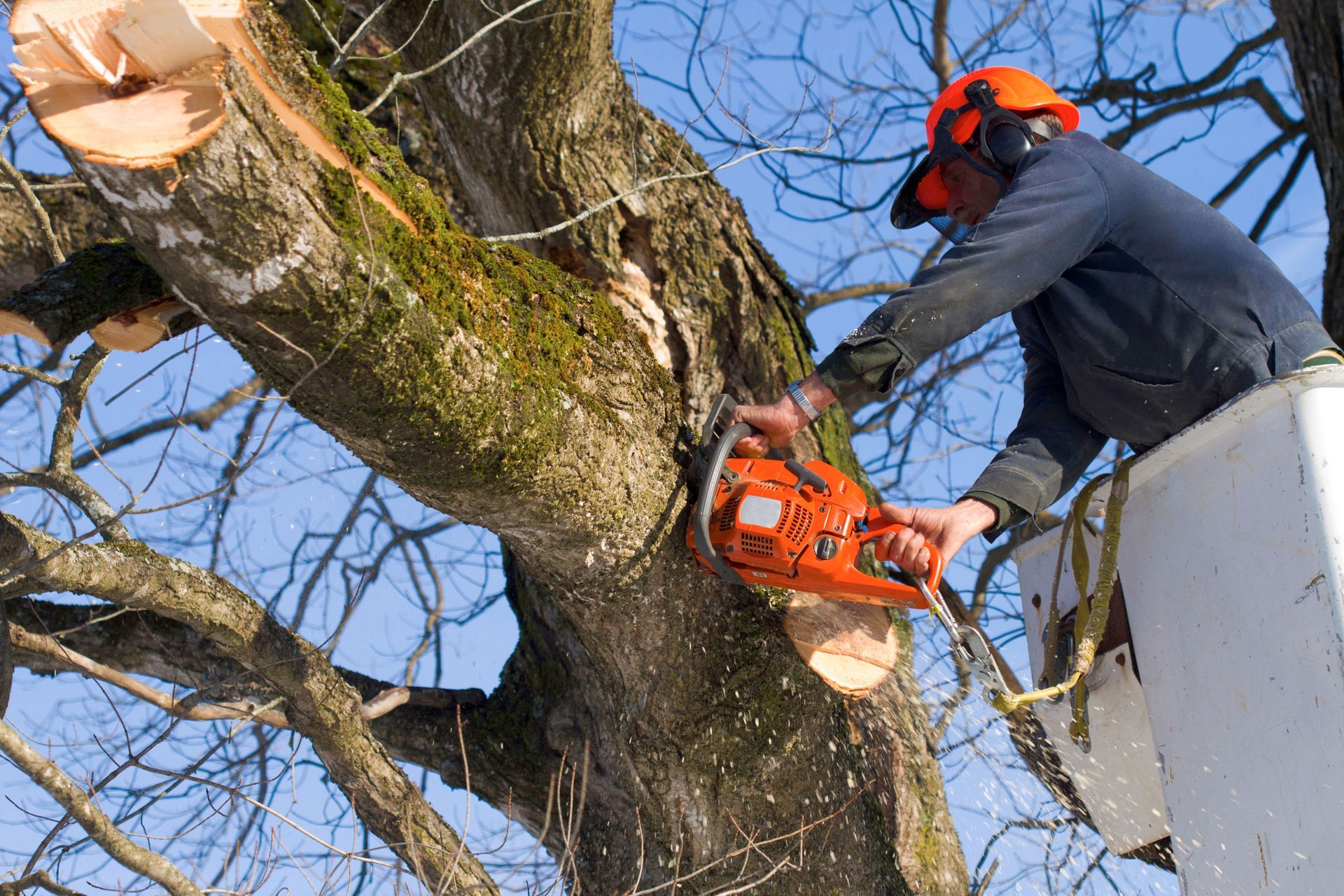
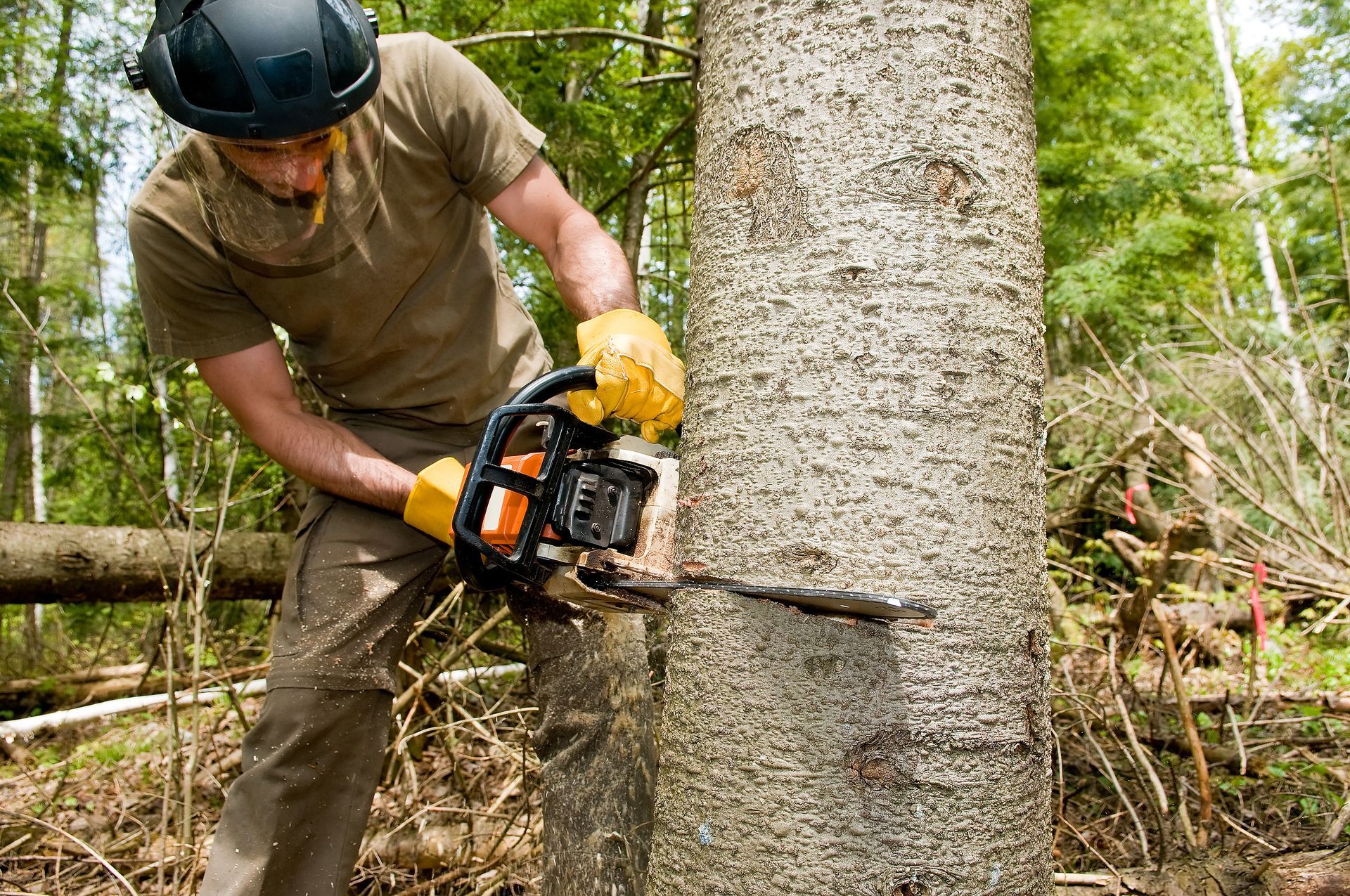
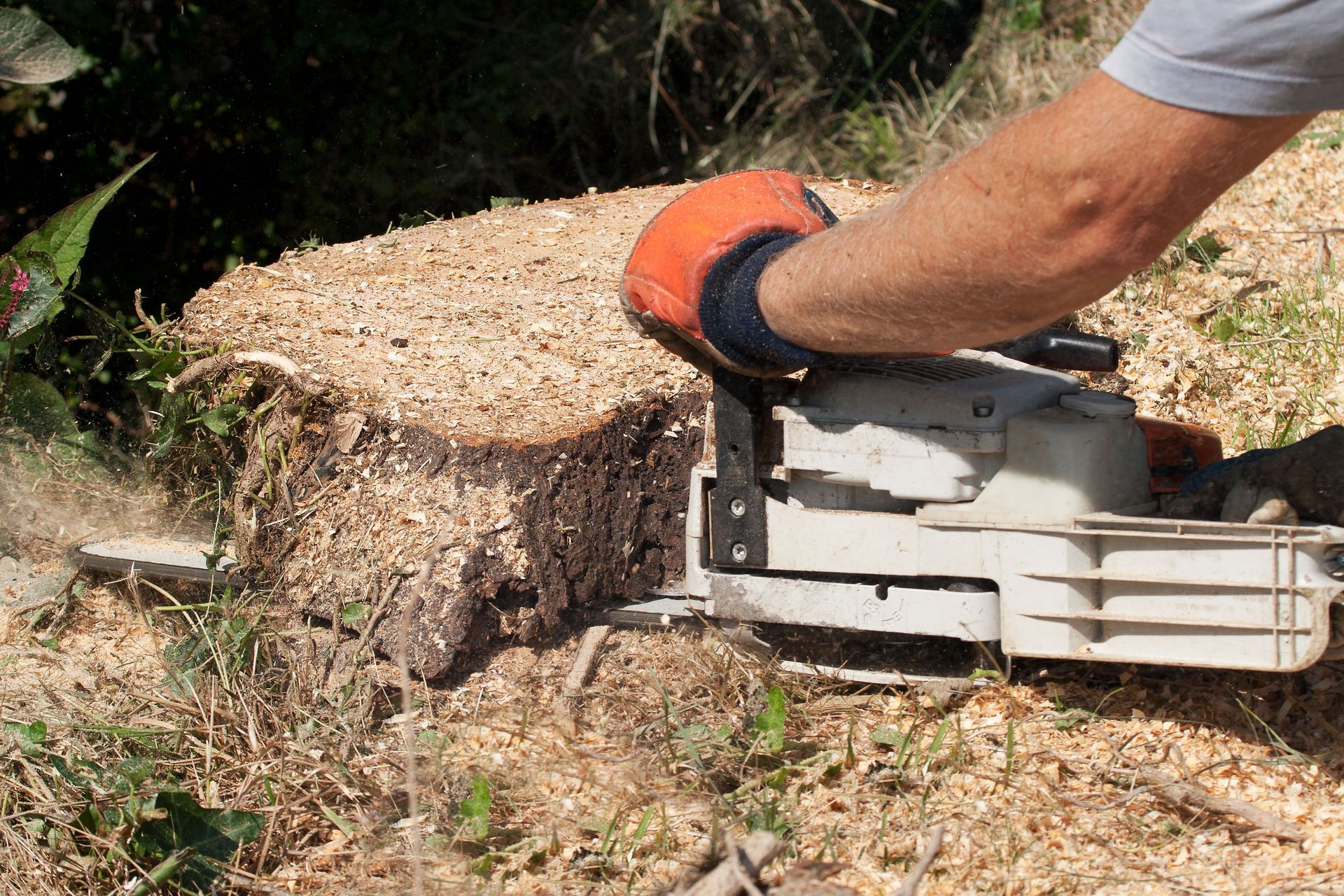
When structural defects or decay progress beyond the point of rehabilitation, tree removal remains the only responsible alternative. Professional crews employ rigging systems, bucket trucks, and crane services to dismantle hazardous trees section by section within confined areas. Once the hazardous canopy is brought down, wood chipping transforms bulky limbs into usable mulch, while debris hauling clears the yard of remaining wood. Following tree extraction, stump grinding eliminates remaining root mounds, restoring ground smoothness and preventing future pest nesting.
Address Disputes and Liability
Property ownership entails a clear legal duty to maintain trees so that they do not present unreasonable risks to adjoining properties or public rights of way. When a diseased or dying tree collapses across a boundary line, the owner can face liability for preventable property damage or personal injury. Documented risk evaluations help owners demonstrate due diligence and address obvious hazards before accidents occur. Taking proactive measures protects property owners against prolonged legal disputes and maintains positive relationships with neighbors.
Trees located directly along property boundaries frequently spark contentious disagreements regarding limb overhang and root intrusion. Open communication paired with independent assessments from local tree services helps neighbors resolve border concerns through objective hazard identification. Relying on impartial evaluations allows property owners to agree on shared maintenance, view clearing, or necessary tree extraction. Proactive collaboration ensures that neighborhood landscapes remain secure, attractive, and free from dangerous overhead liabilities.
Proper tree stewardship requires a balanced approach that respects the environmental benefits of mature greenery while addressing structural hazards. Risk assessments, timely trimming, and prompt emergency response work together to preserve safe surroundings for families and commercial properties alike. When decay, severe lean, or structural splits render a tree dangerous, prompt action protects your investment and ensures peace of mind.
Deciding whether to remove a compromised tree comes down to evaluating safety risks against potential property damage. By addressing vulnerabilities early, property owners protect their investments and maintain attractive, hazard-free landscapes for generations to come. Reach out to our team at L & T Tree Service to evaluate your property, manage hazardous branches, and secure your outdoor living spaces with our comprehensive tree care solutions.