November 4, 2026
A storm rolls through overnight, and you wake up to find a massive oak leaning against your roof or a split trunk blocking the driveway. Moments like these feel overwhelming, and the urge to grab a chainsaw and start cutting can be strong. However, emergency tree removals carry serious risks that most property owners don't fully recognize until it's too late. Stressed wood, tangled limbs, and hidden hazards can turn a simple cleanup into a dangerous situation within seconds. Knowing how to respond in the first few hours helps you protect your family, your home, and your property. Below, we walk through the key safety considerations that come with urgent tree damage and explain why calling a professional crew makes all the difference.
Recognizing a True Tree Emergency
Not every broken branch requires an immediate response, but some situations can't wait. A tree that has fallen onto a house, vehicle, or garage needs prompt attention because the weight can shift and cause additional structural damage. Trees that block driveways or roads, rest on power lines, or lean sharply after a storm also fall into the emergency category. Pay close attention to soil heaving or cracking around the base of a leaning tree, since this often signals that the root system has failed. Large hanging limbs, sometimes called widowmakers, present another urgent hazard because they can drop without warning. In our experience, trees that develop a sudden, noticeable lean after severe weather rarely stabilize on their own. When you spot any of these warning signs, treat the situation as urgent and contact a crew that offers around-the-clock tree removals. Acting quickly limits further damage and reduces the chance of someone getting hurt.
Keeping Your Distance From Hazardous Trees
Once you identify a dangerous tree, the most important step is to create space. Keep children, pets, and visitors well away from the affected area, and avoid walking beneath damaged canopies. Storm-damaged trees often hold tremendous stored energy in bent limbs and twisted trunks, and that tension can release violently when something disturbs it. Even a light gust of wind can bring down a cracked branch hours after the storm passes. If a tree has struck your home, stay out of the rooms closest to the impact until a professional evaluates the structure. If anyone in your home feels unsure about the danger, err on the side of caution and stay back. Many homeowners underestimate how far a falling tree can reach. In our experience, a safe perimeter should extend at least twice the height of the tree in every direction. Mark off the area with rope, tape, or lawn furniture if your household needs a visual reminder. Patience during these first hours protects everyone and gives the team handling your tree removals a clear, safe work zone.
Staying Clear of Downed Power Lines
Trees and utility lines create one of the most dangerous combinations a property owner can face. Always assume any line touching a tree, the ground, or debris is live and energized. Electricity can travel through wet wood, branches, and even saturated soil, which means you don't have to touch the wire directly to suffer a serious injury. Contact your utility company right away to report the downed line, and keep a wide berth until crews confirm the power is off. Never attempt to move branches off a line yourself, even with tools that seem nonconductive. Once the utility company addresses the electrical hazard, a professional tree crew can step in to handle tree removals near the lines safely. Crane services come in especially handy in these situations, since they allow skilled operators to lift sections away from structures and wires with precision rather than dropping them into tight spaces.
Documenting Damage Before Cleanup Begins
Before any cleanup starts, take time to document the damage thoroughly. Photograph the tree, the surrounding property, and any affected structures from several angles. Capture close-up shots of cracked siding, crushed fencing, dented vehicles, and damaged roofing, along with wider shots that show the full scene. Don't put yourself at risk to get these images, though; photos taken from a safe distance work just fine. Detailed records make it easier to file insurance claims and help adjusters understand the scope of the event. Write down the date and time of the storm or incident, and keep receipts for any emergency expenses, such as temporary tarps or lodging. Many insurance policies cover emergency tree removals when a fallen tree damages a covered structure, though coverage varies widely from one policy to the next. Reviewing your policy and contacting your agent early can streamline the process and reduce stress once work begins.
Understanding How Professionals Handle Emergency Situations
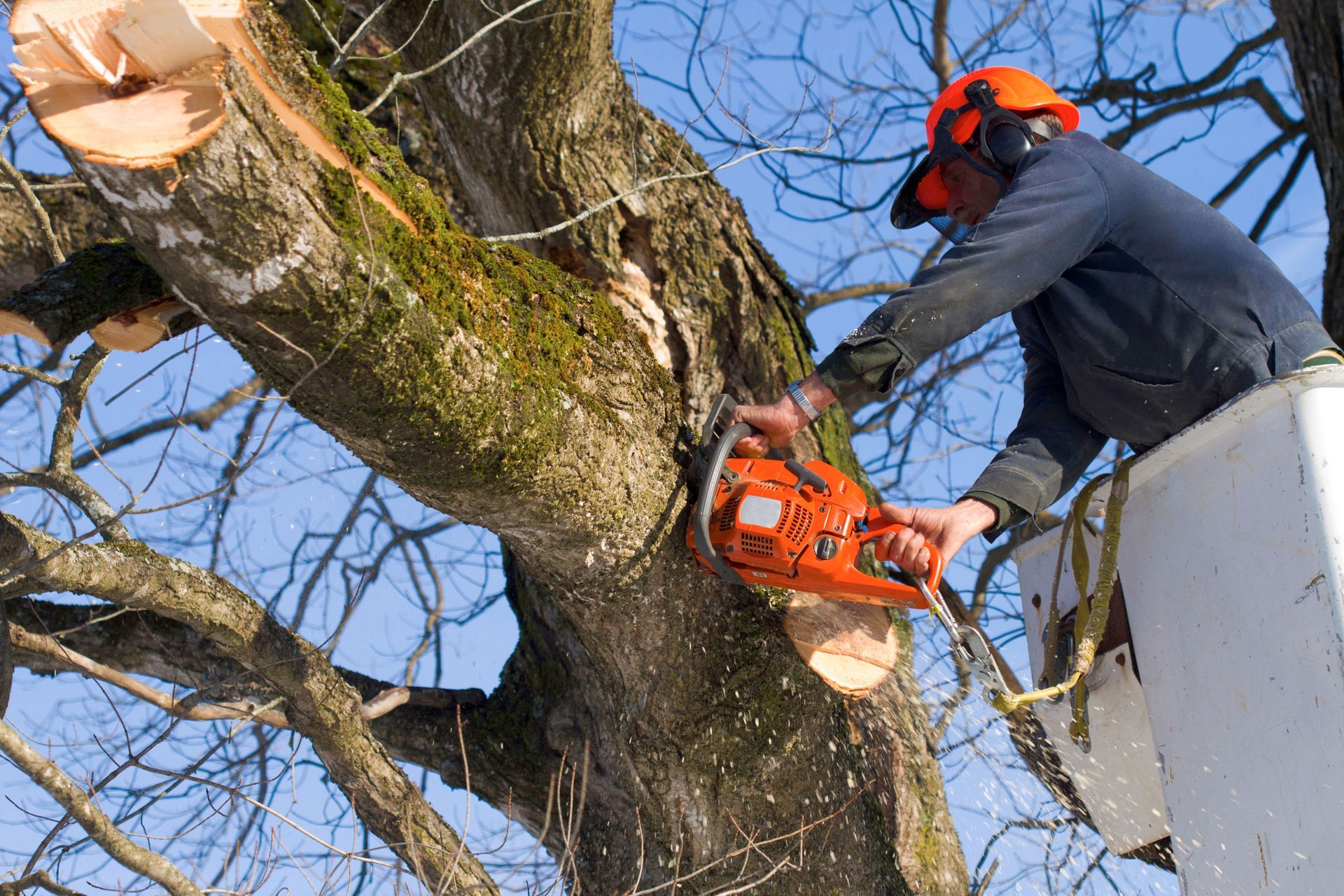
Professional crews approach every emergency with a plan rather than a chainsaw. The process typically begins with a careful site assessment to evaluate the tree's condition, the direction of stress, and any nearby obstacles. From there, the team determines the safest removal method, which may involve rigging, bucket trucks, or a crane for trees resting on homes. Trained operators cut the tree in controlled sections, lowering each piece rather than letting it fall freely. This approach protects your property from additional damage and keeps everyone on site safe. Proper insurance coverage matters just as much as skill, since accidents during DIY tree removals can leave homeowners responsible for injuries and property damage. After the tree comes down, crews handle storm damage cleanup, debris hauling, and stump grinding to restore your yard. Choosing licensed and insured professionals gives you peace of mind and ensures the job gets done right the first time.
Planning for a Healthier, More Resilient Landscape
Once the immediate danger passes, take a step back and think about the long-term health of your property. A tree risk assessment can identify other weak, diseased, or structurally compromised trees before the next storm arrives. Addressing these problems early often prevents future emergencies and lowers the overall cost of tree care. When you decide to replant, consider diversity as part of your strategy. According to The Washington Post, the 10-20-30 rule serves as a common diversity guideline for planting and replacing urban trees, recommending that a single species make up no more than 10% of trees, a single genus no more than 20%, and a single family no more than 30%. Mixing species helps protect your landscape from pests and diseases that target one type of tree, reducing the likelihood of widespread losses and future tree removals. Routine trimming also strengthens the trees you keep by removing deadwood and improving their structure.
Storm damage and sudden tree failures can happen at any time, but a calm, informed response keeps your household safe. Recognize the warning signs, maintain a safe distance, steer clear of power lines, and document everything before cleanup begins. Most importantly, leave emergency tree removals to trained crews with the right equipment and experience. Professional help protects your home, your family, and your landscape from further harm. When you need fast, dependable tree removals, we're ready to help. At L & T Tree Service, we offer 24/7 emergency services, crane services, storm damage cleanup, and debris hauling throughout the Yadkin Valley area and beyond. Our team brings over 20 years of combined experience to every job. Call or text us today at (336) 218-3810 to request a free estimate or get immediate help.